
Skip to main contentCommercial cleaning and janitorial service across all 12 Niagara municipalities.Request a Quote
ORLAFacility ServicesCommercial Cleaning & Facility Support
Anonymized commercial cleaning case study

How consistent high-touch cleaning supported a professional accounting office.

A professional accounting workplace needed dependable recurring cleaning across shared rooms and frequently touched areas. After the program became more consistent, the client reported a cleaner workplace, fewer illness-related interruptions, and more productive work time.

Facility
Professional accounting office
Service
Recurring office cleaning
Result
A cleaner workplace and fewer disruptions reported by the client.
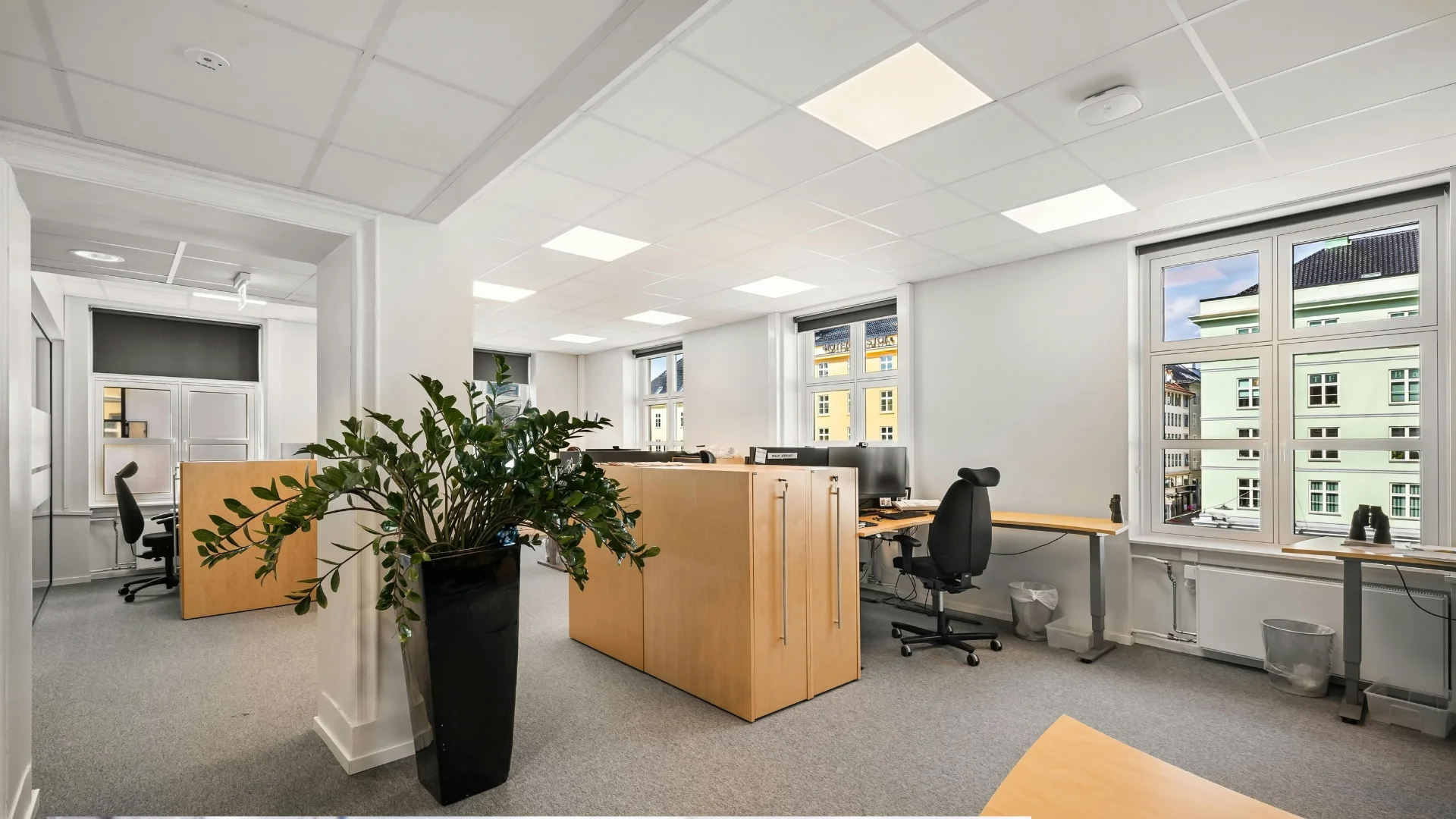
Professional office used for an anonymized high-touch cleaning case study
01
The facility challenge

Shared workplace areas needed dependable attention through every service cycle.

Accounting offices combine focused desk work, shared rooms, client-facing areas, and frequently touched surfaces. The value of the service came from dependable recurring attention rather than an occasional deep clean.

  • A professional environment used by employees and clients
  • Frequently touched shared areas requiring consistent attention
  • A need to support day-to-day workplace cleanliness
  • Cleaning that had to fit around normal office operations
02
The cleaning plan

High-touch priorities were built into the normal recurring routine.

ORLA provided consistent workplace cleaning with detailed attention to high-use and frequently touched areas. The approach supported the office as an operating environment, not simply a collection of rooms.

  • Recurring service rather than isolated cleaning visits
  • Detailed attention to frequently touched workplace areas
  • Consistent care for employee and client-facing spaces
  • A repeatable standard that supported the office schedule
03
Why the approach mattered

The same shared areas were used repeatedly, so the response also had to repeat.

Shared surfaces and common spaces are used repeatedly. Building high-touch attention into the normal cleaning program makes the work more dependable and prevents important details from becoming occasional extras.

  • Identify frequently touched areas during the walkthrough
  • Assign those areas a clear recurring frequency
  • Keep the standard consistent through busy office periods
  • Use client feedback to refine priorities over time
04
The observed result

The client reported a cleaner workplace, fewer illness-related interruptions, and more productive time.

The office associated the more consistent cleaning program with fewer people being away sick or fewer illness-related interruptions. This is client-reported feedback rather than a medical or causal claim. The supported conclusion is that the workplace felt better maintained and less disruptive from the client's perspective.

  • Client-reported reduction in illness-related disruption
  • Improved workplace cleanliness and consistency
  • More uninterrupted productive time reported by the client
  • No claim that cleaning prevented or treated illness
About this example

The useful details are public. The client remains private.

This case reflects verified commercial cleaning experience represented by ORLA. The business name, exact location, logo, direct quotations, and private media are withheld unless the client gives permission. The image is representative rather than client photography.

What this example demonstrates

What a facility manager can take from this example.

High-touch cleaning is most useful when it is part of the normal recurring scope rather than an occasional extra. Clear priorities and consistent execution help a professional workplace maintain the same standard through busy periods.

  • How high-touch priorities can be built into an ordinary recurring scope
  • Why professional workplaces benefit from consistency across shared areas
  • How client observations can inform service evaluation without becoming medical claims
  • Why feedback should improve the service rather than remain anecdotal
Questions about this example

Answers about the service and what this example means.

Review the operating details, facility boundaries, and next steps for a property facing a similar cleaning problem.

Apply the lesson to your facility

Build a commercial cleaning plan around the problem you need solved.

Share your contact information and facility location. ORLA will follow up to discuss the current concern and the next practical step.