See how real commercial cleaning problems were handled.
These four anonymized examples show how ORLA approached recurring dust, professional-office detail, retail presentation, and showroom cleanliness. Each case connects the facility problem to the cleaning plan, the operating reason behind it, and the result that followed.
One office needed repeated dust removal. Another depended on consistent high-touch care. The retail and showroom cases are separate businesses with different presentation priorities.
Concrete-industry administrative office
Concrete-Industry Office Dust Control
A concrete-industry office had settled dust that continued to return even while air purifiers were running.
Repeated physical dust removal produced visible improvement and a more practical recurring response.Read the case study
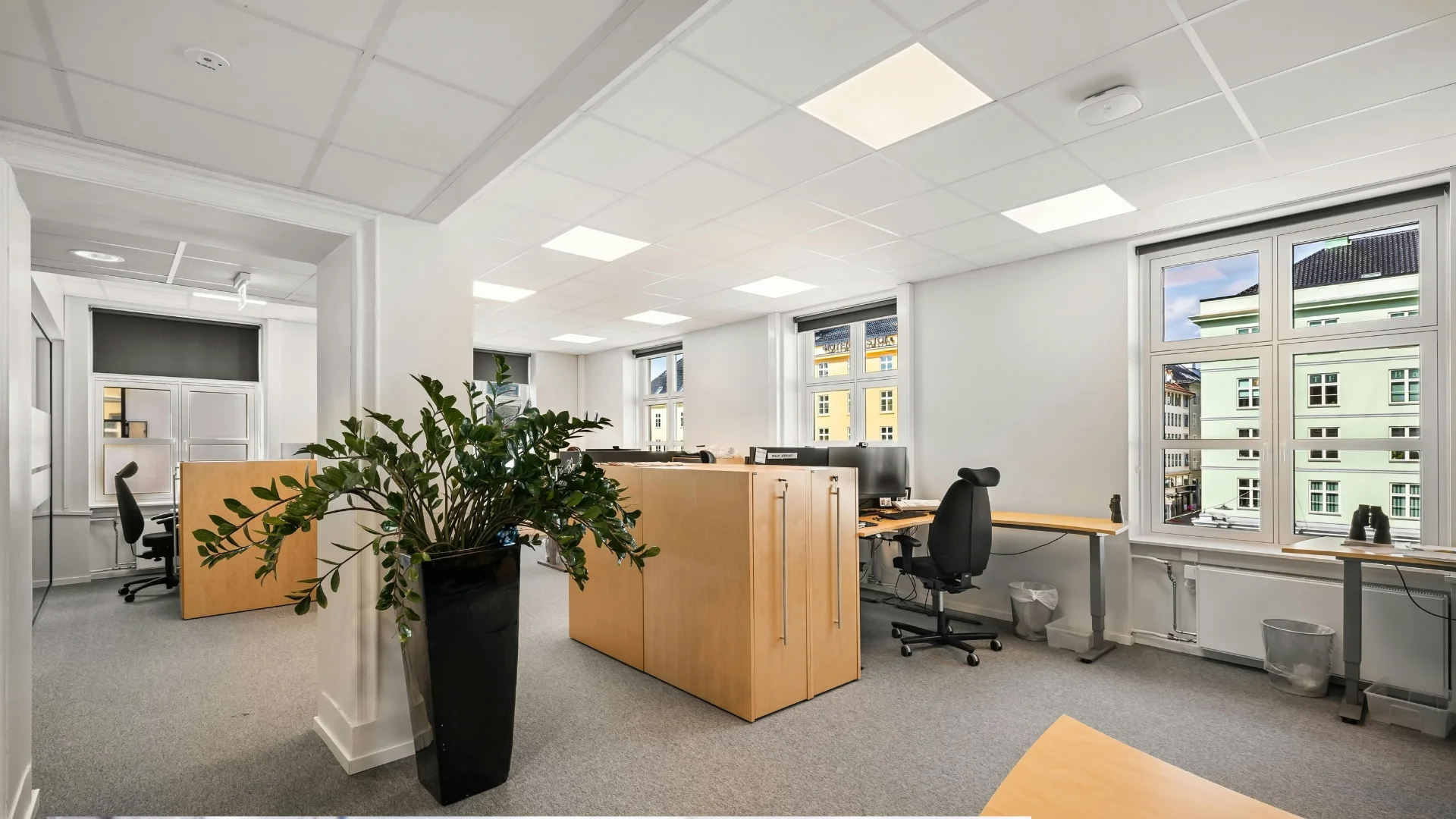
Professional accounting office
Accounting Office High-Touch Cleaning
A professional accounting office needed consistent recurring cleaning with detailed attention to shared high-touch areas.
The client reported a cleaner workplace, fewer illness-related interruptions, and more productive work time.Read the case study
Customer-facing retail store
Retail Store Customer Experience
A retail store needed recurring cleaning that protected the customer-facing presentation of the space.
The business reported positive customer comments about the store's fresh, clean presentation.Read the case study
Commercial customer-facing showroom
Commercial Showroom Presentation
A commercial showroom needed consistent presentation cleaning across its entrance, floors, visible surfaces, and customer areas.
The business reported positive customer comments about the showroom's polished, fresh presentation.Read the case study
What each case helps you evaluate
Look beyond the result to the cleaning system behind it.
01
The facility challenge
What was happening in the workplace or customer area before the cleaning plan changed.
02
The cleaning plan
How recurring attention, detailed work, high-touch care, or presentation priorities were built into the service.
03
Why it mattered
How frequency, physical removal, clear boundaries, or consistent execution addressed the real operating problem.
04
The observed result
What visibly improved or what the client reported after the approach was put into practice.
Continue evaluating ORLA
Connect the proof to the systems and services behind it.