
How Often Should an Office Be Professionally Cleaned?
A practical way to choose office cleaning frequency based on occupancy, washrooms, kitchens, traffic, operating days, and presentation standards.
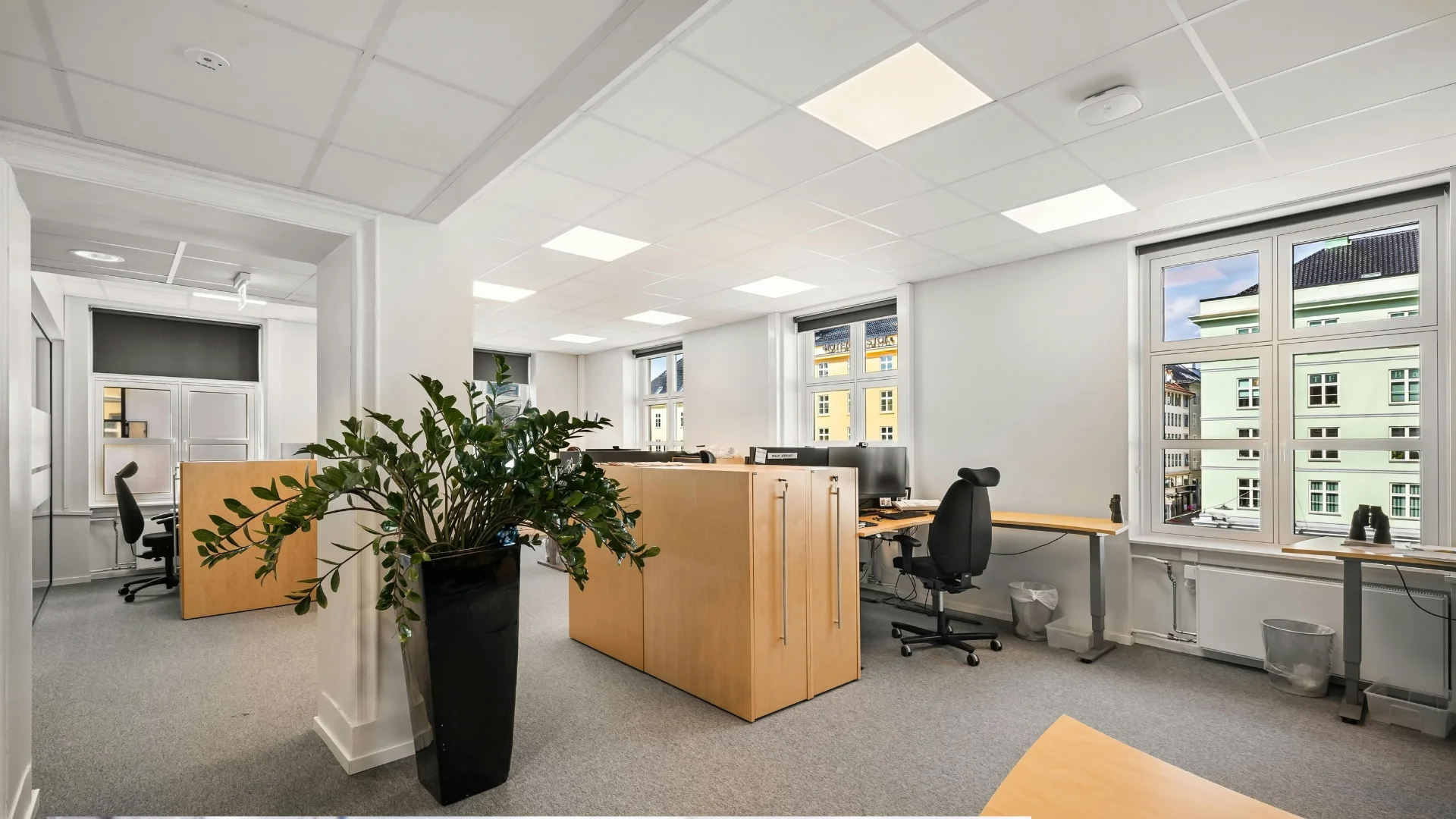
Most offices need professional cleaning from one to five or more visits per week. The right frequency depends less on a generic rule and more on how many people use the space, how often clients visit, the number of washrooms and kitchens, operating days, floor conditions, seasonal entrance soil, and the standard the business wants employees and visitors to experience. Review ORLA's office cleaning service.
Quick answer: match the frequency to use, not only square footage
- One visit per week may suit a small, lightly occupied office with limited public traffic
- Two or three visits per week often suit a typical professional workplace with regular staff use
- Five-day service is common when washrooms, kitchens, entrances, client areas, or occupancy require daily attention
- Several service periods or a day porter may be useful for large, extended-hour, or high-traffic facilities
- Periodic carpet, floor, glass, or deep-cleaning work should be scheduled separately from the normal visit frequency
These are planning ranges rather than fixed packages. A walkthrough should connect each room and task to an appropriate frequency so the business is not paying for unnecessary visits or leaving high-use areas under-serviced. See how ORLA develops a written scope.
Start with the areas that change fastest
- Washrooms: occupancy, fixture count, public access, consumables, and operating hours
- Kitchens and lunchrooms: meal use, dishes, waste, appliances, counters, and floor conditions
- Entrances: customer traffic, mats, rain, snow, salt, and tracked soil
- Waste points: food waste, volume, odour, recycling, and collection days
- Reception and meeting rooms: client visits, presentation expectations, and room turnover
- Floors: carpet versus hard flooring, traffic lanes, spills, dust, and seasonal conditions
An office may need washrooms and waste handled every operating day while private offices receive less frequent detail. A task-and-frequency schedule lets the service reflect that difference instead of treating every room identically. Review recurring janitorial planning.
Signs the current cleaning frequency is too low
- Washrooms regularly run low on supplies or decline before the next visit
- Kitchen waste, food residue, or floor soil builds up between services
- Entrance mats and floors stay visibly marked through operating days
- Meeting rooms and client areas are not ready when they are needed
- Staff repeatedly perform cleaning tasks to bridge gaps in the program
- The same complaints return even after individual corrections
When fewer visits may still work
A lower visit frequency may be practical when the office is small, hybrid or lightly occupied, has limited food and public use, and has facility staff managing simple daily tasks. The scope should still define washrooms, waste, floors, touchpoints, kitchens, and rotating detail so important work does not disappear between visits. Explore office-building cleaning considerations.
Review frequency when the workplace changes
- More employees return to the office
- Operating days or hours increase
- A new tenant, department, clinic, or public function moves into the building
- Customer appointments or events become more frequent
- Seasonal weather changes entrance and floor workload
- The business adds kitchens, washrooms, meeting rooms, or shared amenities
- A recurring quality issue shows that the assigned interval no longer matches use