
What Should a Commercial Cleaning Quote Include?
A practical checklist for comparing commercial cleaning proposals by scope, frequency, schedule, access, supplies, quality control, exclusions, and change process.
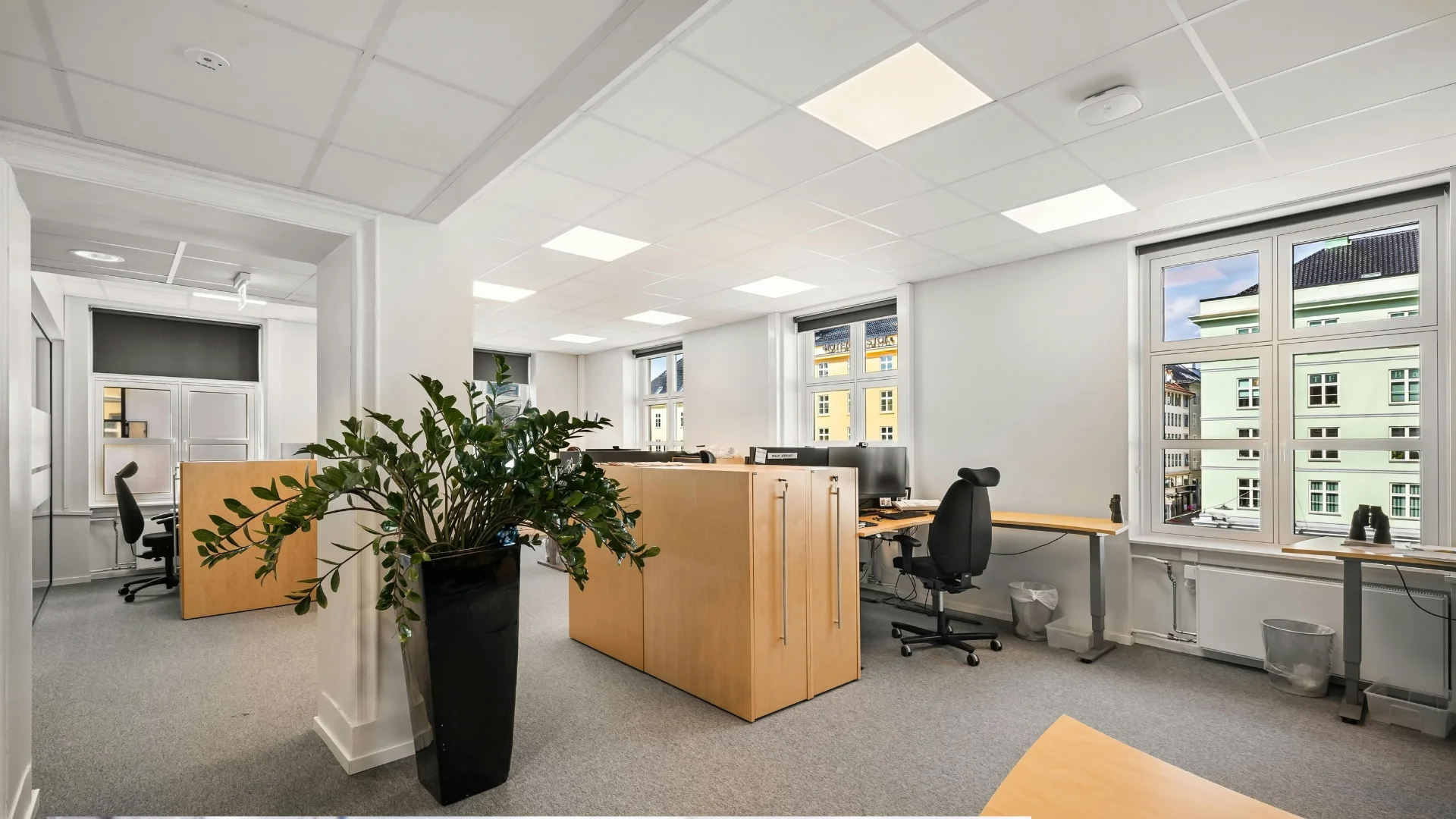
A useful commercial cleaning quote should make the work easy to understand and compare. It should identify the facility areas, tasks, frequencies, service schedule, access conditions, supply responsibilities, quality process, exclusions, price basis, and method for approving changes. This guide reflects the practical details ORLA uses when turning facility information into a written cleaning scope and proposal.
Quick answer: the quote should make the scope comparable
- The business name, service address, and facility areas included in the proposal
- The cleaning tasks assigned to each area or area type
- How often each task will be completed
- The expected service days, cleaning window, and access method
- Who supplies cleaning products, equipment, liners, paper products, and other consumables
- Any periodic work that is included, separately priced, or excluded
- The quality-check, communication, and issue-correction process
- The price basis, billing frequency, taxes, and commercial terms
- Assumptions, exclusions, and conditions that could change the price
- A written method for approving additions or scope changes
The headline price matters, but it cannot be evaluated properly without the scope behind it. Two companies can quote different totals because they are pricing different service days, task frequencies, floor work, supplies, supervision, or exclusions.
1. Facility and cleanable-area details
Square footage is useful, but it does not describe the complete workload. A quote should identify the areas being cleaned and the way those areas are used. A quiet office, public washroom, staff lunchroom, busy entrance, showroom floor, and warehouse support area create different cleaning demands. Review how facility type changes the cleaning plan.
- Cleanable square footage or another clear measure of the approved area
- Reception, offices, meeting rooms, kitchens, washrooms, entrances, floors, and shared spaces included
- Customer-facing, employee, restricted, tenant, production, or specialist areas that require different instructions
- Occupancy, visitor traffic, operating hours, shifts, and seasonal conditions that affect the work
- Sensitive finishes, equipment, documents, displays, inventory, or rooms that cleaners should not handle without instruction
2. A task-and-frequency schedule
The strongest proposals do more than promise that the building will be kept clean. They connect tasks to frequencies. That lets the facility manager see what happens every visit, weekly, monthly, seasonally, or only when separately approved. See how recurring janitorial tasks and frequencies are planned.
- Waste and recycling handling
- Washroom cleaning and restocking responsibilities
- Kitchen, lunchroom, reception, office, meeting-room, and shared-area tasks
- Vacuuming, dust mopping, damp mopping, spot cleaning, and other floor responsibilities
- High-touch and frequently handled areas identified during the walkthrough
- Reachable glass, entrances, fixtures, ledges, and presentation surfaces
- Rotating detail work that does not need to occur every visit
Separate recurring and periodic work
Periodic floor care, carpet work, detailed dusting, interior glass, seasonal entrance attention, event cleanup, or post-construction work should not be hidden inside vague wording. The proposal should state whether each item is included in the recurring price, scheduled separately, available as an approved addition, or outside the offer.
3. Service schedule, access, and site conditions
- Proposed service days and frequency
- Daytime, evening, overnight, opening, or closing cleaning window
- Keys, access cards, alarm procedures, sign-in requirements, parking, elevators, loading areas, and restricted zones
- Areas that remain occupied while cleaning is performed
- Client procedures for security, privacy, safety, or incident reporting
- Utilities, storage, waste disposal, and equipment-location assumptions
- Holiday, shutdown, event, seasonal, or shift changes that may affect the schedule
These details should be confirmed before launch, not left for the first cleaning visit. A clear transition and site setup reduce missed access, avoidable delays, and confusion about responsibilities. Review ORLA's inquiry, walkthrough, proposal, and launch process.
4. Supplies, equipment, and consumable responsibilities
- Who provides cleaning chemicals, cloths, tools, vacuums, mops, and floor equipment
- Where products and equipment may be stored
- Whether the facility requires approved products, fragrance limits, colour coding, or other procedures
- Who purchases paper products, soap, liners, sanitizer, or other consumables
- Whether consumable restocking is included as labour, supplied by the client, or billed separately
- Who is responsible for monitoring inventory and reporting low stock
5. Quality control and issue correction
A commercial proposal should explain how the written standard will be maintained after the first visit. The buyer should know who receives feedback, how concerns are recorded, what checking method is used, and how corrections or scope changes are confirmed. See ORLA's quality-assurance approach.
- Primary service contact and escalation path
- Site instructions or location-specific notes
- Inspection, review, or quality-check method
- Process and expected response for missed or incomplete work
- How recurring feedback becomes a documented instruction or scope update
- How urgent access, damage, spill, security, or facility issues are reported
6. Price structure and commercial terms
The price should be connected to the approved service model. Recurring cleaning, post-construction work, and event cleaning are not automatically priced in the same way because their schedules, conditions, labour patterns, and acceptance points differ. Review the factors that shape commercial cleaning pricing.
- Monthly, per-visit, project, hourly, or other stated price basis
- What is included in the quoted total and what is separately priced
- Billing schedule, payment timing, and whether applicable taxes are added
- Proposal validity period and intended start assumptions
- Any minimum visit, mobilization, special-equipment, after-hours, parking, disposal, or travel condition that affects price
- Commercial term, renewal, cancellation, or notice details in the proposal or accompanying agreement
7. Exclusions, assumptions, and change control
A clear exclusion is more useful than an unclear promise. It prevents both sides from assuming that a specialist, project, periodic, or unapproved task is included in the recurring price. The proposal should also explain what happens when occupancy, service days, cleanable areas, facility conditions, or requested tasks change.
- Areas, tasks, materials, equipment, waste, or conditions outside the proposed scope
- Client responsibilities that must be completed before service
- Assumptions used to calculate labour, timing, access, or frequency
- The method for requesting and approving additional work
- Whether a written scope amendment, separate quote, or price adjustment is required
- Who has authority to approve changes for each organization
How to compare two commercial cleaning quotes
- Confirm that both companies are pricing the same facility areas and service days.
- Place the task and frequency schedules side by side.
- Separate recurring work from periodic, project, and optional work.
- Compare access, supply, consumable, equipment, and storage responsibilities.
- Review the communication, inspection, issue-correction, and scope-change process.
- List exclusions, assumptions, and separately priced items before comparing totals.
- Evaluate the complete operating plan—not only the lowest headline price.
Common proposal warning signs
- A total price with no written task or frequency detail
- Phrases such as complete cleaning or all cleaning without defined areas and responsibilities
- No explanation of access, service windows, supplies, equipment, or consumables
- Important periodic work discussed verbally but absent from the proposal
- No process for quality concerns, corrections, or changes
- Broad guarantees that are not connected to a measurable service standard
- A price that depends on assumptions the proposal does not identify
What helps after the initial quote request
- The initial request only needs your contact information and facility location
- A short optional note can identify the service or main concern
- ORLA can discuss the property type, rooms, and approximate cleanable area after making contact
- Frequency, service windows, access, occupancy, and operating hours can be reviewed during discovery
- Current arrangements, priorities, supplies, equipment, and storage can be discussed before the proposal is finalized
- A walkthrough can confirm the detailed facility information when one is helpful